


NEWS
NEWS
Analysis of Development Trends in the Interior Upgrade Kit Industry
Release time:
Apr 08,2026
Driven by the ongoing evolution of automotive consumption and the growing demand for personalization, the interior upgrade kit industry is currently entering a phase of rapid expansion. From market scale and technological pathways to consumer trends, the sector is demonstrating a comprehensive, multi-dimensional pattern of upgrading.
I. Sustained Growth in Demand for Personalization and Customization
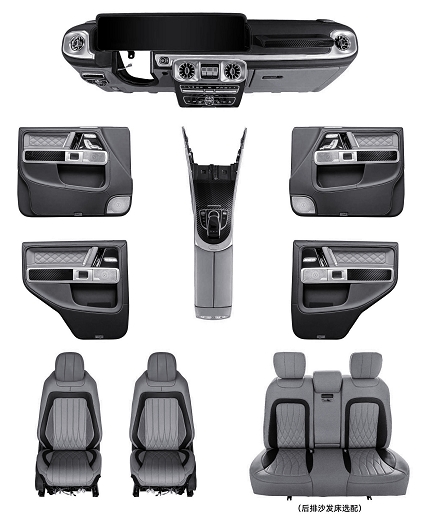
Modern consumers’ expectations for automobiles have shifted from viewing them merely as "means of transportation" to regarding them as "personalized spaces"; consequently, interior upgrade kits have emerged as a vital medium for expressing one's aesthetic sensibilities and lifestyle. Market data indicates a significant surge in consumer demand for customizable colors, materials, and designs, thereby driving the evolution of interior kits toward greater diversity and modularity. Moving forward, vehicle-specific customization and designs featuring a precise, 1:1 fit are poised to become the industry mainstream.
II. Accelerated Integration of Intelligence and Technology
With the widespread adoption of the "intelligent cockpit" concept, interior upgrade kits are no longer confined to mere aesthetic ornamentation; rather, they are expanding to encompass functional enhancements. For instance, large-format central control screens, ambient lighting systems, voice control interfaces, and AR displays are being progressively integrated into the interior modification ecosystem. Intelligent upgrade kits are set to become a pivotal growth driver within the industry.
III. Eco-friendly Materials Emerge as a Core Trend
Against the backdrop of "Dual Carbon" goals (carbon peaking and carbon neutrality), environmental protection and sustainable development have become key priorities for the industry. An increasing number of enterprises are adopting eco-friendly leather, recycled fabrics, and lightweight composite materials—practices that not only mitigate environmental impact but also enhance the added value of their products. Green materials are expected to become one of the critical factors determining future competitiveness within the sector.
IV. Upgrades Focused on Comfort and User Experience
As consumer expectations regarding the driving and riding experience continue to rise, the focus of interior upgrades is shifting from mere "visual enhancement" to the "holistic optimization of the user experience." Consequently, the application of features such as ergonomic seating, sound-dampening and noise-reduction materials, and premium-touch interior finishes is steadily on the rise. Comfort has now established itself as a pivotal factor influencing purchasing decisions.
V. Advancements in Lightweighting and Structural Innovation
Driven by the rapid development of new energy vehicles (NEVs), interior spatial layouts are undergoing transformation, leading interior components to trend toward lightweight construction and multi-functional integration. The continuous adoption of novel plastics, composite materials, and integrated design methodologies renders interior upgrade kits more flexible and easier to install, while simultaneously enhancing overall vehicle performance.
VI. Expansion of DIY and Aftermarket Demand
Interior upgrade products designed for convenient, DIY installation—requiring no specialized tools—are gaining increasing popularity, with growth being particularly pronounced among younger consumer demographics. By lowering the barrier to entry for vehicle modification, these products are further expanding the overall scale of the automotive aftermarket.
The interior upgrade kit industry is currently evolving in a direction characterized by "personalization, intelligence, eco-friendliness, and enhanced user experience." Driven by the rise of new energy and smart vehicles, automotive interiors are no longer merely decorative components; rather, they have evolved into core spaces that seamlessly integrate technology and lifestyle. In the future, companies possessing innovative design capabilities and advantages in materials technology will occupy a more favorable position in the competitive landscape.
Recommended News
